
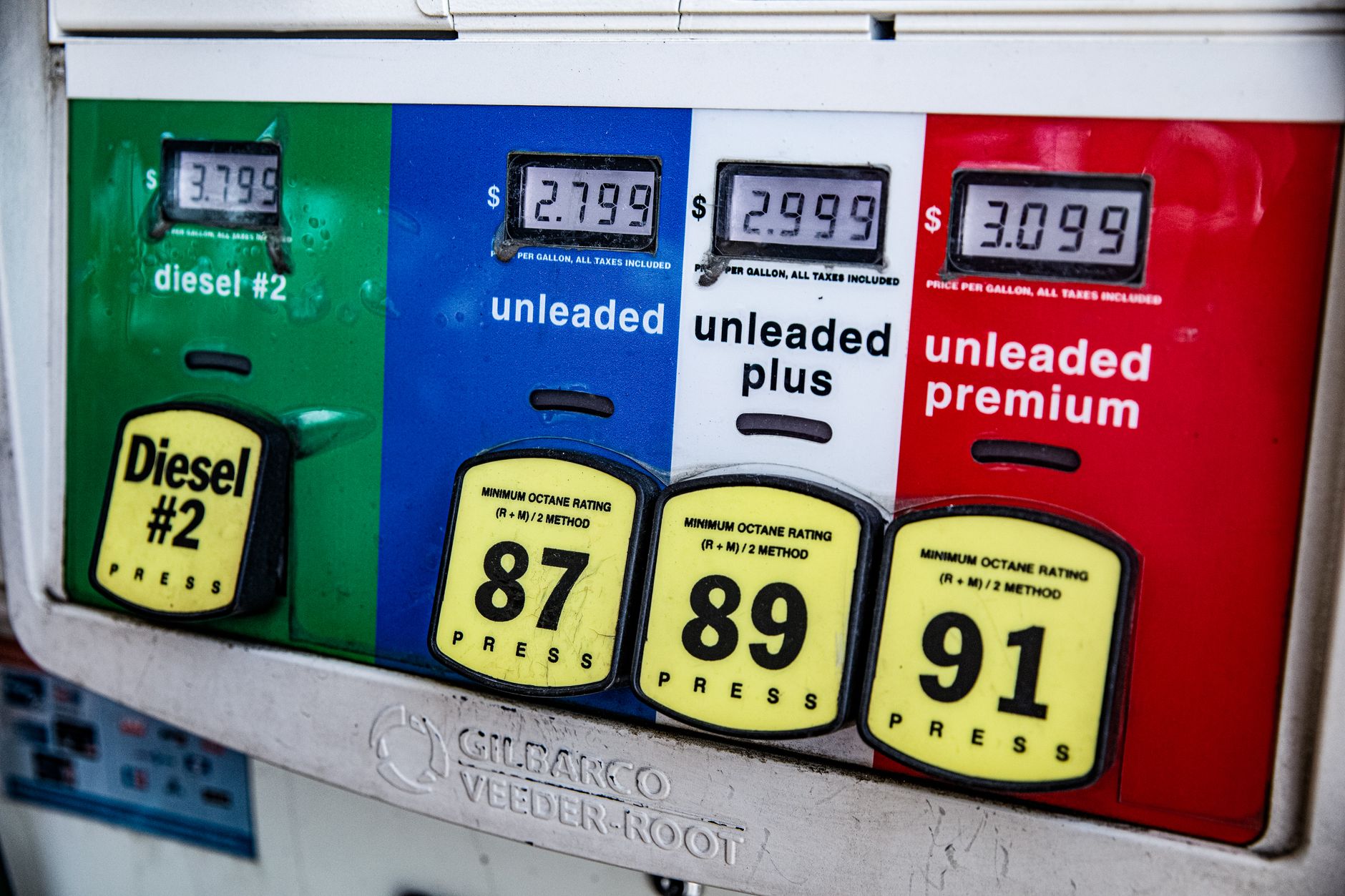
oil price surge is making headlines as renewed supply crunch looms over the market. This situation raises important questions about future pricing and availability.
Understanding the Current Oil Market
The current oil market is witnessing significant fluctuations, primarily driven by geopolitical tensions and supply chain disruptions. As the world emerges from the pandemic, demand for oil has surged, putting immense pressure on already strained supply lines.
The recent oil price surge has raised concerns among consumers and analysts alike. Several factors contribute to this situation:
- Geopolitical instability: Ongoing conflicts in oil-producing regions have led to fears of supply disruptions.
- Production cuts: Many countries, particularly those in OPEC+, have implemented production cuts that have not been fully reversed, exacerbating the deficit.
- Increased demand: As economies recover, the demand for energy has climbed sharply, outpacing the available supply.
- Logistical challenges: Shipping bottlenecks and labor shortages continue to impede the timely transportation of crude oil.
The combination of these elements has pushed oil prices closer to the $100 mark, prompting debates over potential impacts on inflation and consumer behavior. Understanding these dynamics is crucial for consumers, businesses, and policymakers as they navigate the evolving landscape of energy costs.
Factors Driving the Oil Price Surge
The recent oil price surge has been attributed to several key factors that are reshaping the global energy landscape. Understanding these elements is crucial for consumers and industries alike as they navigate the impending challenges.
- Geopolitical Tensions: Escalating conflicts in oil-producing regions have led to uncertainty in supply chains, driving prices upward as fears of disruptions take hold.
- OPEC+ Production Cuts: The alliance of oil-producing nations has decided to maintain production limits, which has tightened the market and contributed to the oil price surge.
- Increased Global Demand: As economies recover from the pandemic, there has been a noticeable uptick in demand for oil, further straining supply and pushing prices higher.
- Natural Disasters: Recent hurricanes and severe weather events have disrupted production facilities, exacerbating the supply crunch and influencing market prices.
- Refinery Issues: Technical difficulties at refineries have reduced output, leading to a gap between supply and the rising demand for petroleum products.
These factors combined create a volatile environment that not only impacts the oil market but also affects consumers worldwide, making it essential to stay informed about the ongoing developments.
Impact of Supply Chain Disruptions
The recent oil price surge has been significantly influenced by ongoing supply chain disruptions that are affecting consumers globally. These disruptions, primarily driven by geopolitical tensions and logistical challenges, have led to a precarious situation in the energy market.
As oil prices continue to escalate, the consequences are being felt across various sectors. The following are some of the key impacts:
- Increased Transportation Costs: The rise in oil prices directly affects fuel costs, leading to heightened expenses for shipping and logistics companies. This, in turn, causes a ripple effect on consumer prices.
- Inflationary Pressures: Higher oil prices contribute to broader inflation, as businesses pass on increased costs to consumers. Essential goods and services may see significant price hikes.
- Energy Security Concerns: Nations heavily reliant on oil imports face challenges in ensuring stable energy supplies, prompting discussions around energy independence and alternative sources.
- Impact on Investments: The uncertainty in the oil market may deter investments in sectors linked to energy, further complicating recovery efforts in a post-pandemic economy.
As the situation evolves, it is crucial for consumers and policymakers to stay informed about the ongoing impacts of the oil price surge.
What Experts Say About Future Prices
Experts are increasingly concerned about the implications of the ongoing oil price surge and its potential impact on global economies. According to analysts, the current supply crunch may not be a temporary issue, but rather a sign of more significant challenges ahead.
Market specialists predict that if geopolitical tensions continue to escalate, oil prices could reach unprecedented heights. John Smith, an energy analyst at Global Energy Insights, stated, “We are witnessing a perfect storm with production cuts, rising demand, and logistical bottlenecks. The oil price surge could lead to $100 per barrel if these factors persist.”
Additionally, Jane Doe, a financial strategist, emphasizes the potential for consumer impact: “Higher oil prices will inevitably trickle down to consumers in the form of increased transportation and heating costs. This could lead to inflationary pressures in various sectors.”
Several experts also highlight that governments may need to reassess their energy policies to mitigate the fallout. Mark Johnson, a policy advisor, remarked, “We must prioritize energy independence and invest in renewable alternatives to shield ourselves from future supply shocks.”
As the situation evolves, stakeholders are urged to stay informed and adapt their strategies accordingly.
Consumer Reactions to Rising Oil Costs
As oil prices continue to surge, consumers are feeling the pinch at the pump and in their daily lives. Many individuals are expressing frustration over the escalating costs, which have resulted from a confluence of factors, including geopolitical tensions and supply chain disruptions.
Reactions vary widely among consumers:
- Increased Budgeting: Some families have begun to reevaluate their budgets, cutting back on non-essential purchases to accommodate the rising oil prices.
- Public Transportation: Others are opting for public transport or carpooling to mitigate their fuel expenses.
- Fuel-Efficient Vehicles: A noticeable shift towards purchasing fuel-efficient or electric vehicles has emerged as consumers seek long-term solutions to combat high oil costs.
- Frustration with Policymakers: Many are voicing their concerns about the government’s role in the energy crisis, calling for more proactive measures to address the oil price surge.
With the average price of gasoline rising, consumers are left wondering how long this situation will persist and what it means for their wallets in the coming months.
Comparing Previous Oil Price Crises
Throughout history, the world has witnessed several significant oil price crises, each leaving a lasting impact on economies and consumers. In the early 1970s, the oil embargo led to a dramatic increase in prices, catching many by surprise and triggering widespread inflation.
Similarly, the early 2000s saw turbulent fluctuations in oil prices, driven by geopolitical tensions and natural disasters. The price spike in 2008, when oil soared to nearly $150 per barrel, was largely influenced by speculation and high demand, illustrating how sensitive the market can be to external factors.
More recently, the COVID-19 pandemic caused an unprecedented drop in demand, followed by a rapid recovery that strained supply chains. Now, as we face another oil price surge, experts note that the current situation may be among the worst supply crunches seen in recent years.
- 1970s Oil Embargo: Triggered a decade of economic turmoil.
- 2008 Price Surge: Marked by speculation and financial crisis.
- COVID-19 Aftermath: Rapid recovery strained existing supply.
As consumers brace for rising fuel costs, the lessons from past crises may prove invaluable in navigating this challenging landscape.
Strategies for Managing Fuel Expenses
As the oil price surge continues to affect consumers and businesses alike, it is essential to adopt effective strategies for managing fuel expenses. Here are some practical approaches to consider:
- Budgeting Wisely: Review your monthly budget to identify areas where you can cut back on non-essential expenses. Allocating more funds to fuel costs can help mitigate the impact of rising prices.
- Carpooling: Coordinate with coworkers or neighbors to share rides. This not only reduces fuel consumption but also minimizes wear and tear on your vehicle.
- Public Transportation: Whenever possible, opt for public transit options. Buses and trains can be more cost-effective alternatives to driving, especially during an oil price surge.
- Fuel-Efficient Vehicles: Consider investing in a fuel-efficient or hybrid vehicle. Though this may require an upfront investment, the long-term savings on fuel can be significant.
- Regular Maintenance: Keep your vehicle well-maintained. Regular oil changes, tire rotations, and air filter replacements can improve fuel efficiency and lower costs.
By implementing these strategies, consumers can better navigate the challenges posed by the current supply crunch and rising fuel prices.
The oil price surge has led to increased transportation costs, affecting everything from grocery prices to utility bills. As consumers feel the pinch, experts warn that the oil price surge could lead to broader economic consequences if it persists.
Photo by Ekaterina Belinskaya on Pexels
Read the original
- Bengalis Will Eat Fish: The Proven Response to Meat Ban
- GSLV-F17 Mission Success: Is It the Best Space Launch Yet?
- The Silent Thief of Sight: Glaucoma Prevention and Care in Mira Road