
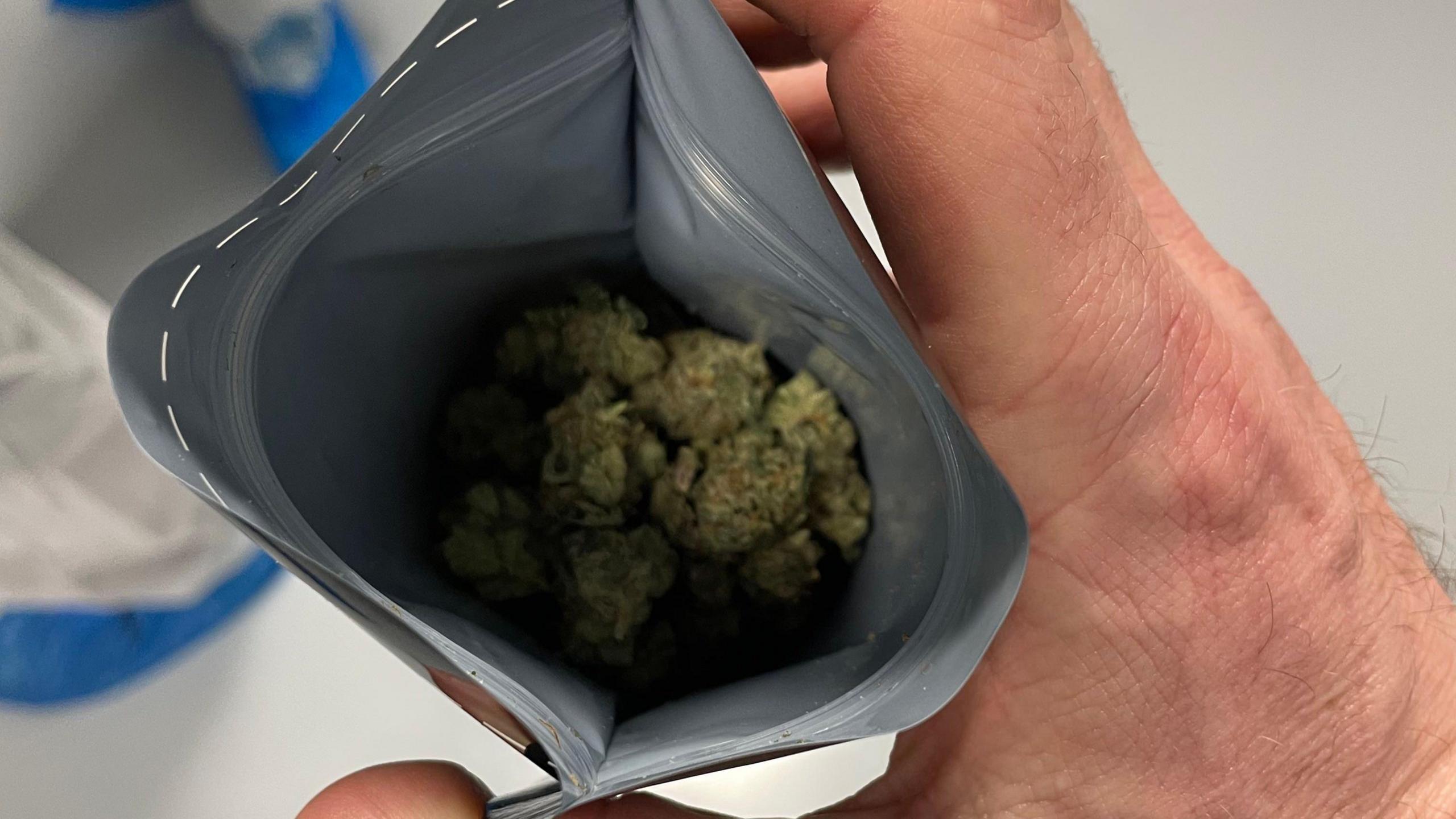
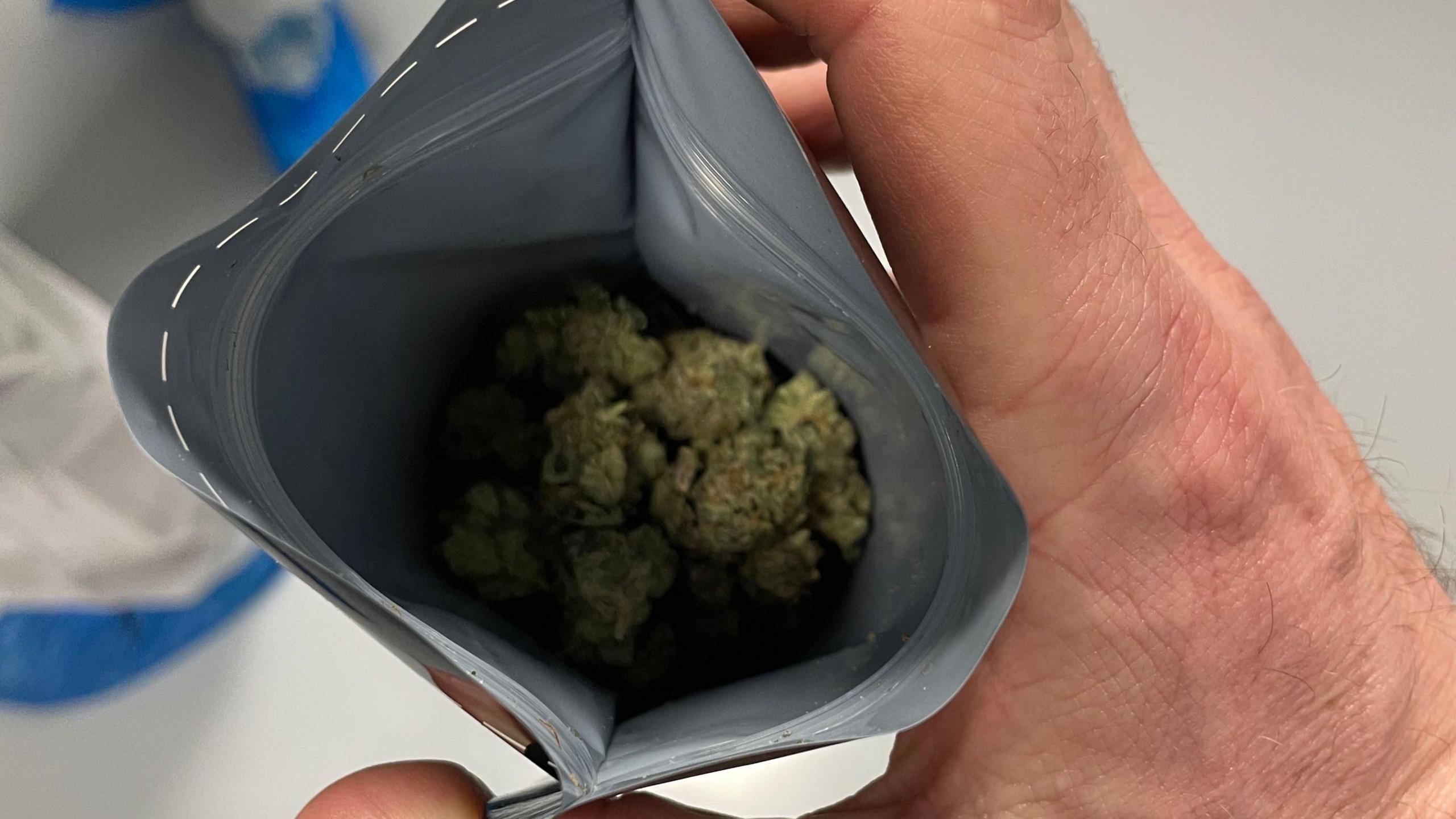
Cannabis has emerged as a viable therapeutic option for various medical conditions, offering relief where conventional treatments may fall short. However, accessing cannabis for medical purposes requires a structured approach guided by healthcare professionals and legal regulations. Understanding patient eligibility, appropriate medical use, and responsible access is essential for ensuring safety and effectiveness in Cannabis Prescription (cannabis auf rezept) therapies.
Eligibility for Medical Cannabis
Eligibility is the first step in obtaining a medical cannabis prescription. Patients must meet specific criteria that typically include a documented medical condition and a recommendation from a licensed healthcare provider. Common conditions that may qualify for cannabis therapy include chronic pain, epilepsy, multiple sclerosis, nausea associated with chemotherapy, and certain anxiety or sleep disorders.
Healthcare providers conduct a thorough assessment of the patient’s medical history, current medications, and overall health to determine suitability. This evaluation helps identify whether cannabis therapy is safe and appropriate, as well as which type of cannabis product may provide the most benefit. By establishing eligibility, providers ensure that cannabis use is medically justified and aligns with legal requirements.
Medical Use of Cannabis
Cannabis therapy involves more than simply taking a product; it requires careful consideration of dosage, formulation, and administration method. Licensed providers tailor treatment plans based on the patient’s specific condition, desired outcomes, and tolerance levels.
Cannabinoids such as THC and CBD have different effects on the body, and selecting the correct ratio is crucial for achieving therapeutic benefits while minimizing side effects. For example, a patient with chronic pain may benefit from a balanced THC-CBD formulation, whereas someone managing anxiety may respond better to CBD-dominant products. Delivery methods also vary, including oils, capsules, inhalation, or topical applications, each offering distinct advantages depending on the medical need.
Responsible Access and Use
Legal regulations govern the distribution and use of medical cannabis, ensuring that patients access safe, regulated products. Licensed providers guide patients through the legal process, helping them obtain prescriptions that comply with local laws. Responsible use includes following dosage instructions, adhering to recommended consumption schedules, and avoiding unverified or black-market sources.
Providers also emphasize the importance of monitoring and follow-up. Patients are encouraged to report their responses to treatment, including any side effects or changes in symptom relief. Regular check-ins allow providers to adjust dosage, switch formulations, or recommend complementary therapies to optimize outcomes.
Patient Education and Safety
Education is a critical component of responsible cannabis use. Patients must understand how cannabis interacts with other medications, the potential risks, and safe consumption practices. Providers instruct patients on avoiding activities such as driving or operating machinery immediately after consumption, particularly when using products with psychoactive effects.
Awareness of potential side effects, including dizziness, fatigue, or changes in mood, allows patients to respond appropriately and seek medical advice if necessary. By providing comprehensive guidance, healthcare providers empower patients to manage their therapy effectively while minimizing risks.
Integration into Healthcare
The involvement of licensed providers helps integrate cannabis into mainstream healthcare safely and responsibly. Patients benefit from professional oversight, personalized treatment plans, and continuous monitoring, all of which contribute to better health outcomes. This structured approach also reduces the risk of misuse and reinforces the legitimacy of medical cannabis as a therapeutic option.
Conclusion
Medical cannabis can offer significant relief for patients with specific conditions, but safe and effective use depends on eligibility, proper medical guidance, and responsible access. Licensed providers play a pivotal role in assessing suitability, developing personalized treatment plans, educating patients, and ensuring compliance with legal regulations. By understanding the principles of eligibility, medical use, and responsible consumption, patients can safely integrate cannabis therapy into their healthcare regimen, achieving the desired therapeutic benefits while minimizing risks.