Travel Vaccines Guide – Stay Protected with Up-to-Date Immunisation Advice
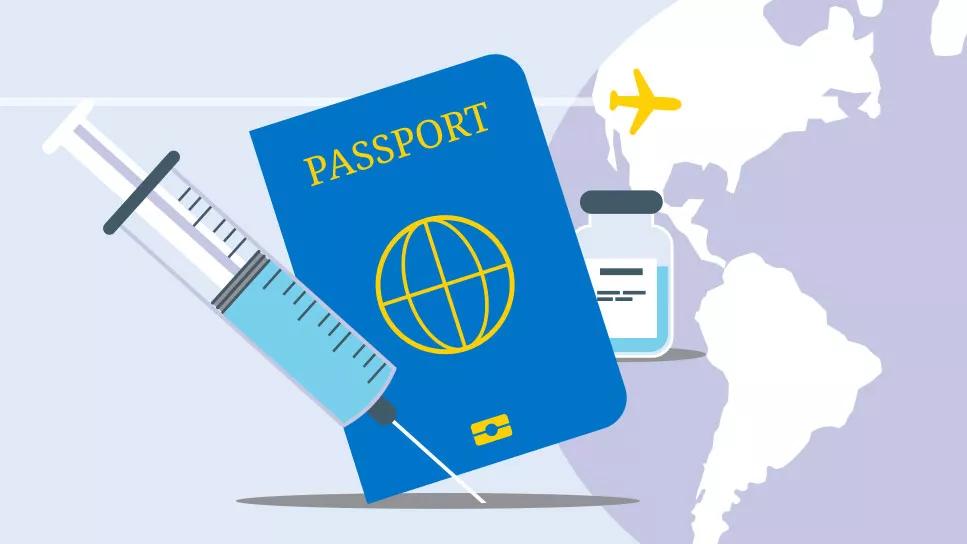
Exploring international destinations brings adventure and cultural learning, but it also exposes travellers to unfamiliar health risks. “travel vaccines” act as a vital protective shield, reducing the chances of catching preventable diseases during a trip. Health statistics show that millions of global travellers encounter illnesses each year that vaccinations could have helped avoid.
Staying up to date with immunisation advice ensures safety and peace of mind. Whether travelling for business, holidays, volunteering, or long-term stays, proper vaccines support healthier journeys and prevent the spread of diseases across borders. The goal is not only personal protection but also contributing to global public health security.
Which Vaccines Are Commonly Recommended for Worldwide Travel?
Different destinations present different risks, so recommended vaccines vary depending on travel plans. Some of the most commonly advised travel vaccines include hepatitis A, hepatitis B, typhoid, cholera, and yellow fever. Other vaccines such as rabies or Japanese encephalitis may be recommended for specific regions, especially rural or high-risk areas.
Travellers should ensure they are fully vaccinated against routine illnesses as well, including measles, polio, tetanus, and influenza. Strong immunity at home forms the foundation for safe and confident travel abroad. An expert health consultation helps identify what is needed based on destination, accommodation type, activities, and the duration of stay.
How Do Travel Vaccines Support Food and Water Safety Abroad?
Digestive illnesses remain one of the most common health challenges faced by travellers. Contaminated water, raw food, or unfamiliar dining environments can introduce harmful bacteria or viruses. Vaccines such as typhoid and hepatitis A provide important protection, particularly for destinations where hygiene and sanitation systems differ from those in the UK.
In addition to vaccinations, simple preventative habits like drinking bottled water, avoiding ice in drinks, and choosing well-cooked meals can significantly reduce risks. Pairing both approaches leads to healthier trips and fewer disruptions caused by illness.
Why Are Mosquito-Borne Infections a Major Concern for Travellers?
Warm and humid regions allow mosquitoes to thrive, increasing the risk of diseases like yellow fever and Japanese encephalitis. While some illnesses have vaccines available, others require personal protection strategies like insect repellents, protective clothing, and screened sleeping areas.
Understanding the risk level before travelling helps individuals pack appropriate prevention supplies and take the right precautions upon arrival. Proper education on mosquito exposure can dramatically lower infection risks in high-risk destinations.
What Role Do Travel Vaccines Play in Long-Term Personal Health?
Many vaccines provided for travel have lasting effects beyond the duration of a single journey. The hepatitis B vaccine, for example, can protect against a long-term liver disease that can be contracted in numerous environments worldwide. Some immunisations require several doses to provide multi-year or even lifelong protection.
Keeping track of vaccine records ensures travellers stay organised when future trips arise. With consistent vaccination maintenance and boosters when required, travellers build strong defences that can protect them throughout a lifetime of adventures.
Do Children Need Travel Vaccines Too?
Family travel requires extra planning, especially when children are involved. Their immune systems are still developing, and their vaccination history may vary depending on age. Health professionals tailor recommendations to protect younger travellers from region-specific risks and ensure they are covered for routine childhood vaccinations.
Parents are encouraged to book consultations early, giving families time to adjust schedules and maintain comfort throughout the vaccination process. Effective preparation results in safer and more enjoyable family trips.
How Early Should Travel Vaccinations Be Planned?
An ideal timeline is 6–8 weeks before departure, especially for trips that require multiple vaccination doses. This window ensures enough time for immunity to develop. It also allows for careful review of health conditions, travel history, and destination-specific documents that may be required for entry.
Even last-minute travellers can receive tailored advice. Short-notice appointments often prioritise urgent risk-based immunisation and practical preventative tips to improve safety despite limited preparation time.
Why Is a Travel Health Consultation Essential?
A professional consultation evaluates:
• Existing vaccinations
• Medical history and current conditions
• Country entry requirements
• Duration and nature of travel
• Possible exposure risks
Advice may also include antimalarial guidance, food safety tips, and information on extreme climate adaptation. This personalised approach ensures that travellers do not overlook critical protection due to assumptions or outdated information.
How Do Travel Vaccines Support Smart Travel Insurance Use?
Travel insurance providers generally expect travellers to take reasonable health precautions. Completing required vaccinations helps avoid disputes if medical care is needed abroad. Being protected also reduces the likelihood of illness disrupting plans and generating expensive recovery costs.
Vaccinations therefore serve as both a health safeguard and a supportive financial measure during international travel.
How Can Frequent Travellers Stay Efficient with Their Vaccination Planning?
People who travel often for work or leisure may require boosters or vaccines specific to recurring destinations. Keeping a digital or physical vaccination record simplifies future bookings and avoids unnecessary repeat doses.
Those travelling to remote or rural areas may require more advanced protection. Staying proactive with immunisation advice ensures readiness for spur-of-the-moment global opportunities.
Do Immunisation Requirements Change Over Time?
Yes—diseases evolve, outbreaks occur, and entry regulations shift. This is why up-to-date health advice is essential before each journey. A trip planned a year ago may now require extra precautions.
Travel guidance professionals use current global health data to make accurate recommendations tailored to the latest conditions. That level of currency is invaluable for maintaining safety worldwide.
What Lifestyle Habits Complement Vaccination Protection?
Safe travel is a combination of immunisation and smart choices. Recommended habits include:
• Wearing mosquito repellent in high-risk zones
• Washing hands frequently or using sanitiser
• Avoiding contact with stray animals
• Drinking safe and clean water
• Protecting against sun overexposure
• Having a first-aid kit prepared
Using these habits alongside proper vaccination boosts overall health resilience throughout the journey.
Why Are Vaccinations Important for Responsible Global Travel?
Immunisation protects not just the traveller but also the communities they visit. By preventing the spread of infections, travellers help maintain the health of vulnerable populations who may have limited access to medical care.
Supporting disease prevention wherever we go demonstrates respect and responsibility. As international movement continues to rise, travellers who remain aware of their health impact contribute to a safer world for everyone.
How Can Travellers Stay Confident and Fully Protected?
Planning, knowledge, and updated advice are the foundation of safe travel. Once destinations are chosen, travellers should promptly seek expert guidance for immunisation and other health precautions. Being proactive leads to a smoother journey, reduced medical concerns, and increased enjoyment of the adventure ahead.
Travel vaccinations empower individuals to explore the world without unnecessary risk. From busy cities to remote landscapes, travellers can step forward with understanding and security, knowing they have taken essential steps toward a healthier international experience.